
Creativity & the Art of Medicine
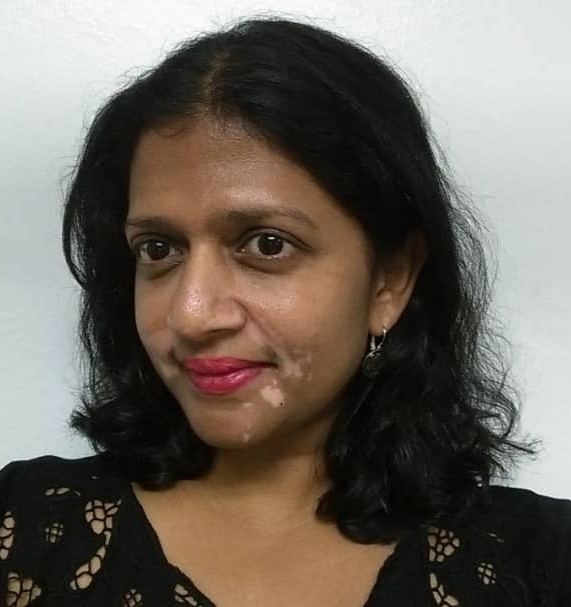
I've always looked at Medicine as an Art, as well as a Science and I felt, in my bones, that there has to be a space for someone like me. Someone who no longer fits into the traditional clinician (GP) role or having that be my main or only role. This became very clear to me once my children came along. I went from working full-time to becoming a full-time mom, to working (part-time) again. This was the right decision for our family, for many reasons. I did not see my time away from work as a sacrifice. Rather, it gave me a sense of clarity regarding what my values and non-negotiables are.
Creativity makes it possible for me to make use of my knowledge and skills to help others (that has always been a strong, driving, force), yet, in a way that resonates with other parts of who I am (the part that loves poetry, literature, art, being creative, etc.).
I started getting back in touch with my creative side by writing poetry, around 8 years ago. At that point, I hadn't written anything beyond my college literature classes that were long past. I write about topics that are important to me, what I've been thinking about or anything that strikes my fancy, really. The thing about being creative, is that it is a spark that lights up the way, but you have to start first. Once you start, you may be surprised at where the journey takes you.
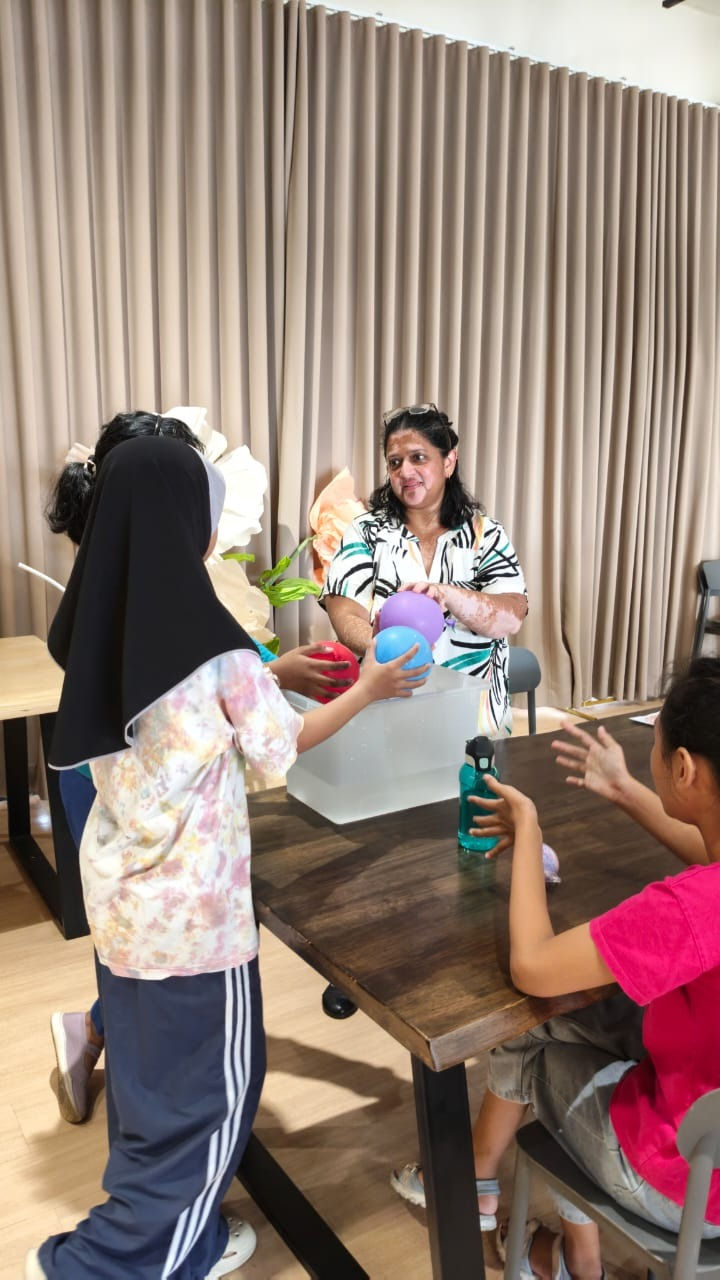
My most recent creative endeavour has been creating an emotional fitness workshop for kids. I was inspired to create this workshop through my volunteer work as a Crisis Team member with a mental health NGO. I noticed a consistent pattern where children and teens were not lacking intelligence, discipline, or even support but many were overwhelmed by their emotions, and, didn’t know how to name what they were feeling, what to do when emotions became intense and how to respond without reacting impulsively. This often led to coping mechanisms that were unhelpful or even harmful; withdrawal, outbursts, avoidance, dependency on distractions and even self-harm in some cases.
I thought that instead of waiting until adulthood to address emotional struggles, it would be better to go upstream, to prevent these struggles if possible, and for early intervention, as needed. Emotional regulation is not something children automatically figure out. It is taught, modelled, and practiced. When taught early, emotional literacy becomes a lifelong protective factor. In short, emotional awareness and regulation is a foundational skill, for Life.
I designed a workshop, inspired by the traditional Guatemalan worry doll legend, where children are taught that they can share their worries instead of holding them in. At the heart of this workshop is a simple but powerful idea: giving children a safe way to express what they feel. We then go on to craft our own worry dolls (I demonstrate how it's done and then guide them through making their own dolls). This is not just symbolic as I do integrate key psychological principles into the process. These principles are: naming emotions (emotional literacy), talking about feelings (early form of talk therapy) and understanding cause and effect (mentalization). The worry doll becomes a tool, a bridge between internal states and external expression.
The sessions are designed to be interactive, playful, and developmentally appropriate. Children are guided through understanding emotions through the use of characters and story-telling, making abstract concepts tangible. They learn how the brain works through simple explanations, undersand why they may sometimes react quickly and how to calm themselves. Simple grounding strategies are taught in a way children can actually use.
Ultimately, the deeper goal is to change the emotional narrative, where emotions are seen as messengers/information and not problems. This shift alone is powerful. This builds emotional regulation skills AND self-trust.
While designed for children, many parents also benefit as they begin to see how their child processes emotions and the importance of modelling emotional regulation. In many ways, my hope is for the workshop to quietly become a family intervention.
Teaching emotional regulation skills early is preventive mental health care and that is exactly what I hope to achieve with these emotional fitness workshops.
I am in the midst of planning workshops for younger children (ages 4-7) as well as teens and am excited to see where this creative journey (of Art, grounded in Science) will take me.


Comments